CPG meaning: what CPG stands for in crypto, marketing, and retail
Table of Contents
1. CPG Meaning: What Does CPG Mean?
2. CPG Meaning in Crypto and Web3
3. CPG Meaning in Marketing and Advertising
4. CPG vs FMCG vs DTC: Differences That Matter
5. How Blockchain Reshapes CPG Supply Chains and Loyalty
6. Tokenized Loyalty for CPG Brands
7. Metrics and Analytics for CPG and Web3
8. Common Misconceptions About CPG Meaning
9. Using CPG Correctly in Crypto Communications
10. Careers and Opportunities at the CPG–Crypto Intersection
CPG Meaning: What Does CPG Mean?
CPG meaning typically refers to consumer packaged goods—everyday products that are sold quickly at relatively low cost and frequently repurchased. Think snacks, beverages, personal care items, cleaning supplies, pet food, and over‑the‑counter medicines. These products are “packaged” for retail shelves and digital storefronts and compete on brand, distribution, and shelf presence. In retail, CPG meaning captures a massive category that touches every household budget and dominates supermarket and convenience channels.
Because the acronym is short and widely used, CPG meaning can shift with context. In retail and marketing discussions, it almost always means consumer packaged goods. In crypto and web3, however, the acronym has gained a second life, sometimes referring to Crypto Packaged Goods, a community and brand working at the intersection of consumer products and blockchain. Understanding which CPG meaning is intended depends on the surrounding conversation—merchandising and supply chains likely mean consumer packaged goods; NFTs, membership passes, or on‑chain loyalty likely mean Crypto Packaged Goods.
Why should crypto readers care about the mainstream CPG meaning? Because consumer brands are racing to modernize loyalty, reduce counterfeits, and trace provenance. Blockchain, tokens, and wallets are the tools enabling that shift—and they’re redefining what “packaged goods” can be in a digital world.
CPG Meaning in Crypto and Web3
In web3 circles, CPG meaning often points to Crypto Packaged Goods—a term popularized by communities and creators exploring how tokens, NFTs, and decentralized networks can rewire consumer brand building. Here, “packaged goods” becomes a metaphor: packaging becomes a wallet, barcode becomes a smart contract, and SKU becomes a token ID. A limited run of digital collectibles can function as membership passes, loyalty tiers, or even preorders for physical drops, tightly connecting brand fans to the products they love.
Projects under the Crypto Packaged Goods umbrella have experimented with token‑gated commerce, creator collaborations, and brand incubators. The thesis is straightforward: on‑chain assets let brands verify ownership, reward superfans, and align incentives between creators, customers, and distributors. For shoppers, the value is tangible—provable authenticity, transferable rewards, and community access baked into the product experience.

For founders and marketers, the crypto‑native CPG meaning offers new growth levers: lifecycle messaging tied to wallet events instead of cookies, collaborative drops powered by shared token holders, and data portability that lets consumers bring their reputation into any storefront that honors open standards. In short, CPG in web3 is about designing consumer products that ship with programmable relationships built in.
CPG Meaning in Marketing and Advertising
In performance marketing, CPG meaning defaults to consumer packaged goods—and that affects channel selection, creative, and measurement. CPG brands fight for repeat purchase; their monetization hinges on penetration (how many households buy) and frequency (how often they buy). Marketers track awareness, share of voice, incremental lift, and retail media ROI, while balancing trade spend with brand building.
Digital advertising for CPG leans on retail media networks, shopper marketing, and geo‑targeted activations that tie impression to sale. With third‑party cookies fading, first‑party data becomes critical—loyalty programs, QR codes on packs, and opt‑in sampling drive identity capture. That’s where web3’s take on CPG meaning fits: wallets as privacy‑preserving identifiers, tokens as portable loyalty, and NFT receipts as verifiable proof of purchase. For marketers, the promise is accurate attribution without intrusive tracking, and for consumers, better control over data and reward portability across retail chains.
CPG vs FMCG vs DTC: Differences That Matter
People often conflate terms, so it’s useful to compare the mainstream CPG meaning with adjoining categories like FMCG (fast‑moving consumer goods) and DTC (direct‑to‑consumer). FMCG is a subset emphasizing velocity and volume (e.g., soda, chips). DTC describes a sales model, not a product category, focusing on selling through owned channels and subscriptions. A deodorant brand can be CPG; if it sells via its website, it’s also DTC; if it turns quickly in supermarkets, it’s FMCG too.
Below is a simple comparison to clarify how these overlap and diverge.
Term | Core idea | Buying cycle | Common channels | Web3 angle
---|---|---|---|---
CPG (consumer packaged goods) | Branded, packaged consumer items | Frequent repurchase | Mass retail, e‑comm, wholesale | On‑chain loyalty, provenance, anti‑counterfeit
FMCG | CPG with very high turnover | Very frequent | Supermarkets, convenience | Micro‑rewards, POS‑linked tokens
DTC | Sales model via owned channels | Varies by category | Brand website, subscriptions | Wallet‑native CRM, token‑gated commerce
For crypto natives, there’s a second comparison worth seeing: the difference between CPG as a retail term and CPG as a crypto community acronym.
Meaning | Stands for | Focus | Examples | Overlap
---|---|---|---|---
CPG (retail) | Consumer Packaged Goods | Physical products and brand distribution | Snacks, beverages, personal care | Uses web3 for loyalty and traceability
CPG (web3) | Crypto Packaged Goods | Tokenized membership, co‑creation, brand incubation | NFT passes, token‑gated drops | Partners with retail brands for activations
How Blockchain Reshapes CPG Supply Chains and Loyalty
Taking the mainstream CPG meaning, blockchain offers three practical upgrades. First, provenance: assigning a digital twin to each batch or item creates a verifiable chain of custody from factory to shelf, cutting counterfeits and enabling targeted recalls. Second, programmable loyalty: tokens can grant rewards that move with the buyer across retailers, solving fragmentation across loyalty silos. Third, data transparency: brands can analyze aggregated on‑chain events without invasive tracking, while consumers hold their private keys.
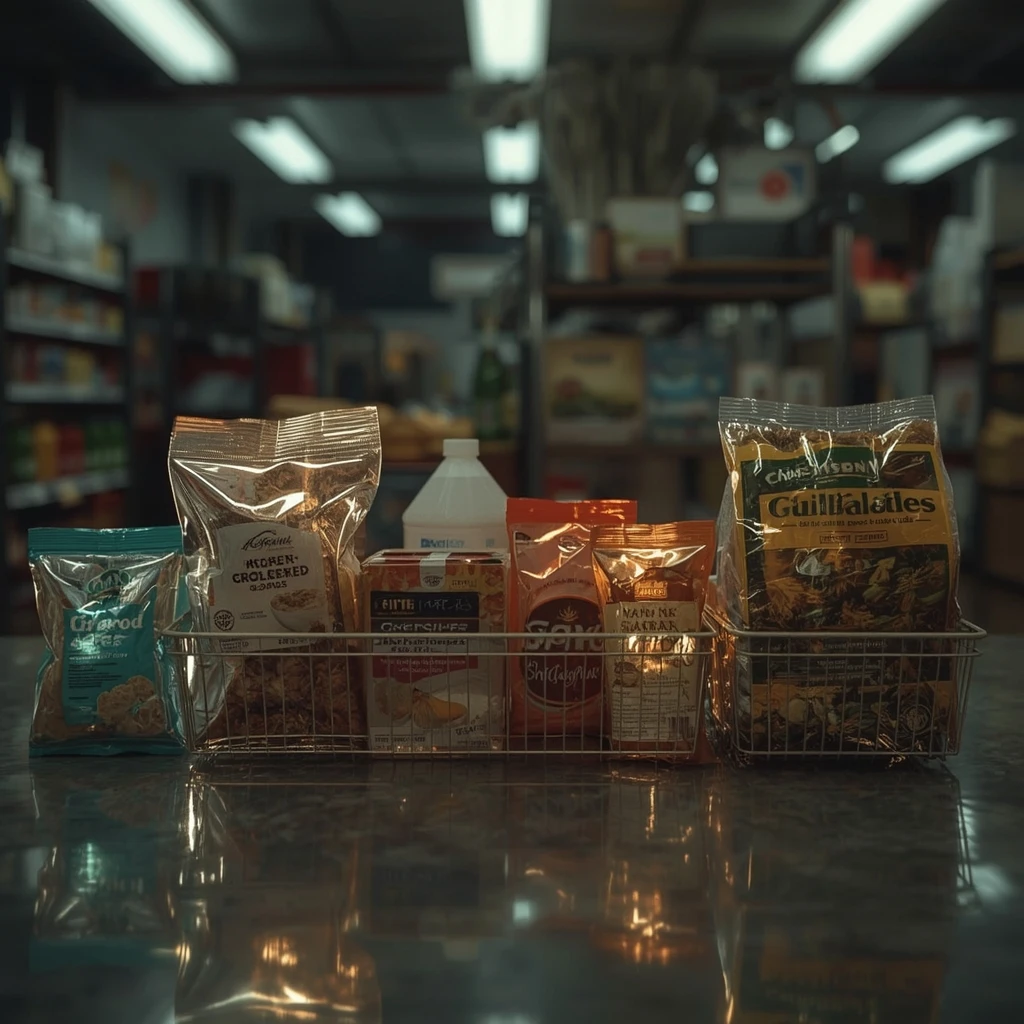
Consider a premium coffee brand. Each bag ships with a scannable code mapped to an on‑chain certificate that includes lot numbers and farm metadata. Scanning mints a non‑transferable proof of purchase to the buyer’s wallet, unlocking a small reward token redeemable anywhere the brand sells. Over time, the brand sees repeat purchase patterns by wallet—pseudonymous but precise—informing production, merchandising, and personalized offers. That is the CPG meaning rewritten for the web3 era: the package is now a portal.
Tokenized Loyalty for CPG Brands
Traditional loyalty is siloed by retailer and often delivers weak perceived value (points that expire, confusing tiers). Tokenized loyalty reframes incentives. Instead of a closed ledger, rewards are minted to wallets as fungible or non‑fungible tokens. These can be non‑transferable for compliance, or transferable to enable secondary markets and brand‑to‑brand collaborations. Smart contracts introduce earn conditions (buy, scan, refer, review) and redemption logic (discounts, early access, exclusive SKUs).
The CPG meaning gains new layers when rewards function as membership, not just discounts. A cereal brand might issue a seasonal collectible granting early access to limited flavors. A cosmetics line can airdrop samples to holders who attended a partner event (verified by a POAP). Brands can co‑market by recognizing each other’s tokens, creating composable loyalty across categories. The result is a switch from transactional couponing to relationship‑based engagement—measurable, portable, and resistant to fraud.
Metrics and Analytics for CPG and Web3
Whether you use the retail or crypto CPG meaning, the fundamentals of measurement still rule. For packaged goods, the north stars are household penetration, buy rate, retention, and unit economics (gross margin, contribution after trade). In a tokenized world, add wallet growth, activation rate, and on‑chain redemption. The magic is connecting off‑chain sales to on‑chain events with privacy‑safe bridges like QR codes, POS integrations, and zero‑knowledge proofs.
Here’s a simple, practical sequence to align measurement across both worlds:
1) Define the core loop: awareness → trial → repeat → advocacy, with the wallet as the identity backbone.
2) Instrument scans and receipts so each purchase can mint a proof (on‑chain or hashed) tied to the buyer’s wallet.
3) Track wallet cohorts: first‑time minters, repeat minters, redeemers, and dormant holders; monitor uplift in frequency and AOV.
4) Attribute campaigns by comparing on‑chain activity before/after exposures on retail media and social channels.
5) Model LTV including token unlocks and partner redemptions; optimize for retention, not just top‑funnel reach.
These steps translate the CPG meaning of brand building into a wallet‑native analytics framework, reducing guesswork while respecting consumer privacy.
Common Misconceptions About CPG Meaning
Because “CPG” is reused across domains, confusion is common. A few myths to retire:
- “CPG always equals food and beverage.” It spans personal care, household, OTC, pet, and more.
- “CPG marketing is just coupons.” The best CPG marketers balance brand equity, retail media, and product experience—now increasingly wallet‑aware.
- “Crypto Packaged Goods is only about NFTs.” It’s about programmable consumer relationships, whether via NFTs, fungible tokens, or verifiable receipts.
- “CPG data must invade privacy.” Wallets and cryptography enable precise measurement without leaking PII.
Correctly parsing context resolves most ambiguity. If someone asks about “CPG category growth” or “trade spend,” they mean consumer packaged goods. If they reference “membership mints” or “token‑gated drops,” the CPG meaning likely points to Crypto Packaged Goods. When in doubt, ask which CPG they mean—or clarify in your own copy.
Using CPG Correctly in Crypto Communications
Clear language earns trust. When writing for a crypto audience that overlaps with retail marketers, disambiguate the CPG meaning early. Use “consumer packaged goods (CPG)” on first mention if you’re discussing retail. Use “Crypto Packaged Goods (CPG)” on first mention for web3 communities or tokenized brand plays. Afterwards, shorten to CPG once the context is locked.
Practical style pointers that keep readers oriented:
- Pair CPG with a clarifier in headlines: “CPG loyalty (retail)” or “CPG community (web3).”
- When comparing both, capitalize consistently and add parentheticals to prevent misreads.
- Map jargon to outcomes: explain how wallet, mint, and redemption tie to trial, repeat, and share gains.
- Anchor bold claims with measurable end states: higher verified repeat rates, fewer chargebacks, lower counterfeit incidence.
These choices keep your narrative accessible without diluting technical accuracy—and help search engines map content to the right “cpg meaning” intent.
Careers and Opportunities at the CPG–Crypto Intersection
The convergence of both CPG meanings is a career tailwind. Brands need operators who can translate retail realities into on‑chain UX: loyalty product managers who grok gross margin, CRM leads who can read a block explorer, partnership managers who bridge retailers and protocols. Agencies and consultancies are hiring web3 strategists who understand slotting fees, retail calendars, and how to turn a QR scan into a wallet action that drives buy‑again behavior.
Where to look? Retail media networks experimenting with tokenized rewards; consumer brands piloting provenance and anti‑counterfeit; web3 communities building co‑creation platforms; platforms offering wallet‑native CRM and receipt verification. The best candidates show both sides of the CPG meaning: they speak the language of sell‑in, trade, and category management—and they can prototype a loyalty contract, define events, and interpret on‑chain cohort charts. For founders, the whitespace is wide: build tools that connect the shelf to the chain, and the chain back to repeat purchase.
In sum, knowing the CPG meaning in both contexts is more than semantics; it’s a map to where consumer brands and crypto meet in the real world, on real shelves, with real wallets—and why that intersection is poised to grow with every scan, mint, and repurchase.
FAQ
What does CPG mean?
CPG most commonly stands for Consumer Packaged Goods—everyday products like food, beverages, personal care, and household items; in biology, CpG refers to a cytosine followed by guanine in DNA, so the meaning depends on context.
What is the CPG meaning in business?
In business, CPG means Consumer Packaged Goods—high-volume, low-cost items with frequent repurchase cycles, distributed at scale through retail and e-commerce.
What is the CPG meaning in marketing?
In marketing, CPG refers to brands that sell fast-moving, brand-driven packaged goods, where success hinges on distribution, merchandising, pricing, promotions, and brand equity.
What does CPG stand for in a resume or job posting?
It typically means Consumer Packaged Goods experience—working with brands or categories like snacks, beverages, beauty, or cleaning supplies.
Is it CPG or CpG, and does capitalization matter?
Yes, capitalization matters: CPG (all caps) is Consumer Packaged Goods; CpG (lowercase p) is a DNA sequence context meaning cytosine-phosphate-guanine, common in genetics and epigenetics.
What is the CpG meaning in genetics?
CpG in genetics denotes a cytosine followed by a guanine linked by a phosphate in DNA; clusters of these (CpG islands) are often found near gene promoters and are key to gene regulation via methylation.
What is a CpG island meaning?
A CpG island is a DNA region rich in CpG sites, usually near gene promoters, important for transcription regulation and often hypomethylated in normal cells.
Why do CpG motifs matter in immunology and vaccines?
Unmethylated CpG motifs can stimulate the innate immune system via TLR9, so synthetic CpG oligonucleotides are used as vaccine adjuvants to boost immune responses.
What industries fall under the CPG category?
CPG includes food and beverage, personal care, beauty, household cleaning, over-the-counter health, pet care, and paper goods—products packaged for rapid consumption and frequent replenishment.
Why is the cpg meaning relevant in crypto and Web3?
Many CPG brands explore Web3 for loyalty tokens, NFT-based membership, on-chain coupons, and blockchain supply chain transparency, making CPG a key bridge between real-world goods and digital ownership.
How do CPG brands use blockchain in practice?
They use blockchain for ingredient traceability, proof-of-origin, anti-counterfeiting, token-gated commerce, interoperable loyalty, and verifiable sustainability claims.
Is there a “CPG” crypto token?
Ticker symbols can overlap; some projects or exchanges may list tokens labeled CPG, but “CPG” is not a universal crypto standard—always verify the specific project, contract address, and chain.
Does CPG ever mean a marketing metric like cost-per-something?
No, in ad tech the standard metrics are CPC (cost per click), CPM (cost per mille), and CPA (cost per acquisition); CPG is not a standard ad-pricing metric.
What makes CPG businesses distinct from other sectors?
They operate on thin margins, massive distribution, rapid turnover, heavy trade spend, and brand marketing aimed at habitual, repeat purchase behavior.
What trends are reshaping CPG today?
DTC and marketplaces, retail media networks, data collaboration, personalization, subscription models, sustainability, and Web3-enabled loyalty and provenance are changing how CPG brands compete.
How does cpg meaning change in finance or stocks?
In finance, “CPG” can label the Consumer Packaged Goods sector; it can also be a stock ticker for unrelated companies, so always check context and exchange listings.
What does cpg mean in supply chain contexts?
It still refers to Consumer Packaged Goods, but focuses on demand forecasting, SKU proliferation, shelf availability, trade promotions, and last-mile logistics optimization.
Is CPG the same as groceries?
Grocery is a sales channel; CPG is the product category—many grocery items are CPG, but CPG also sells through mass merchandisers, drugstores, and online.
How does cpg meaning relate to retail media?
Retail media is an ad channel operated by retailers; CPG brands are heavy buyers of retail media because it targets shoppers close to the point of purchase with measurable sales outcomes.
What is a CPG brand’s approach to loyalty in Web3?
They experiment with tokenized rewards, NFT passes, and interoperable points that unlock perks across partners, aiming for portability and verifiable ownership.
CPG vs FMCG meaning—are they different?
They largely mean the same thing; FMCG (Fast-Moving Consumer Goods) is more common in Europe/Asia, while CPG is more common in North America.
CPG vs DTC meaning—how do they differ?
CPG is a product category, while DTC (Direct-to-Consumer) is a go-to-market model; CPG brands can sell DTC, but they also sell through retailers and marketplaces.
CPG vs retail meaning—what’s the distinction?
CPG refers to manufacturers/brands of packaged goods; retail refers to the sellers (stores and e-commerce) that distribute those goods to consumers.
CPG vs durable goods meaning—what sets them apart?
CPG products are consumed quickly and repurchased frequently (shampoo, snacks); durable goods are long-lasting items purchased infrequently (appliances, furniture).
CPG vs private label meaning—how are they related?
CPG includes branded products from manufacturers; private label are retailer-owned brands; both sit on the same shelf but have different owners and brand strategies.
CPG vs CPC/CPA/CPM meaning—why the confusion?
CPG is a product sector; CPC, CPA, and CPM are ad pricing models; they sound similar but refer to entirely different concepts.
CPG vs CpG meaning—how do you avoid mix-ups?
CPG (all caps) is Consumer Packaged Goods in business; CpG (lowercase p) is a DNA context in genetics; the capitalization and subject matter reveal the correct meaning.
CpG island vs CpG site meaning—what’s the difference?
A CpG site is a single cytosine-guanine dinucleotide; a CpG island is a region with a high density of CpG sites, often near gene promoters.
CPG brand vs CPG category meaning—how do they differ?
A CPG brand is a specific company’s identity (e.g., a named snack line); a CPG category is the market segment it competes in (e.g., salty snacks).
CPG Web3 loyalty vs traditional loyalty meaning—what’s new?
Traditional loyalty is siloed points and coupons; Web3 loyalty uses tokens/NFTs for portable, verifiable rewards, on-chain status, and cross-partner interoperability.
CPG supply chain vs pharma supply chain meaning—what differs?
CPG prioritizes speed, volume, and shelf availability with shorter lead times; pharma emphasizes strict regulatory controls, serialization, and temperature-sensitive logistics.
CPG data collaboration vs walled gardens meaning—how do they compare?
CPG data collaboration uses clean rooms and privacy-safe joins with retailers to measure outcomes; walled gardens keep data locked within single ad platforms, limiting cross-partner insight.
CPG growth marketing vs e-commerce marketing meaning—are they the same?
They overlap, but CPG growth marketing spans retail media, trade promotions, and omnichannel measurement, while e-commerce marketing focuses more on digital storefronts and on-site conversion.